Scientific innovation
applied to livestock farming
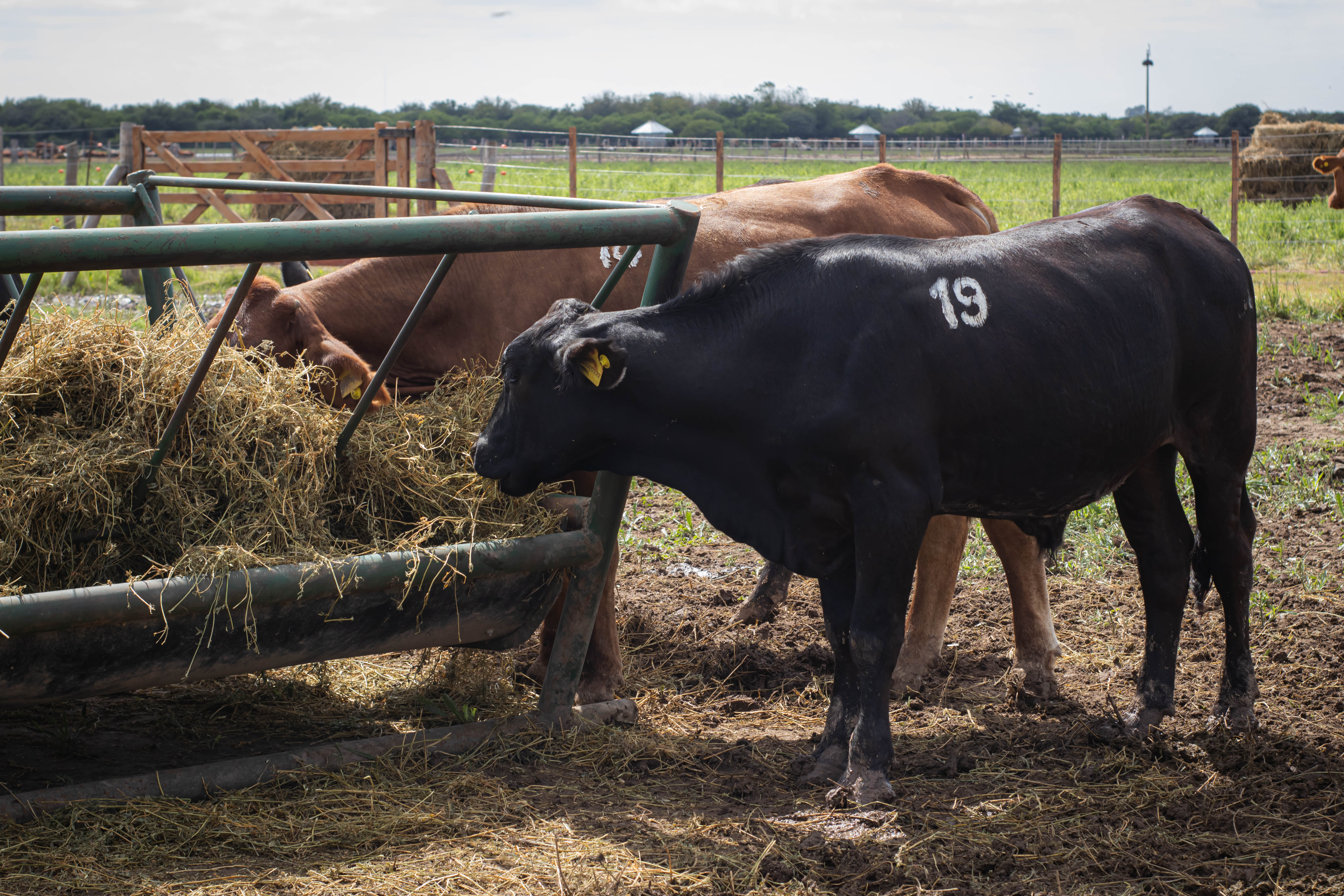
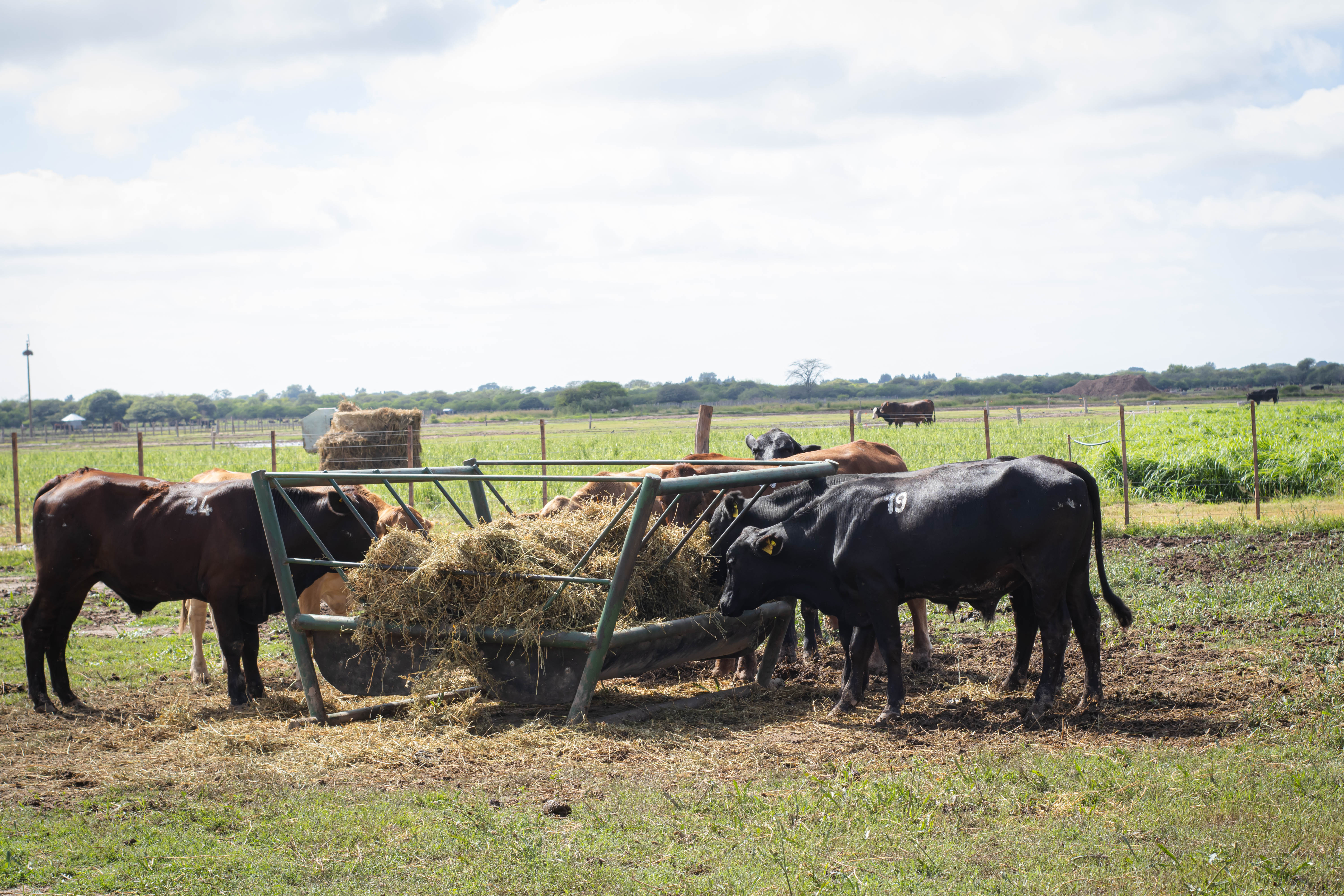
Zorion Research Point (ZRP) is our experimental self-feeder study center for analyzing R-Zeta performance in the field. Its goal is to evaluate, in real time, the impact of R-Zeta on different herd management strategies and bovine productivity.
Research Center
Located in Coronda, Argentina, we operate under international standards with unique infrastructure to simultaneously evaluate multiple productive strategies.
Our bovine nutrition research and development center features a one-of-a-kind infrastructure in the region, designed to simultaneously evaluate several animal groups — three experimental groups and one control group — under different feeding strategies and production systems.
Coronda, Santa Fe, Argentina
ZRP is
equipped with
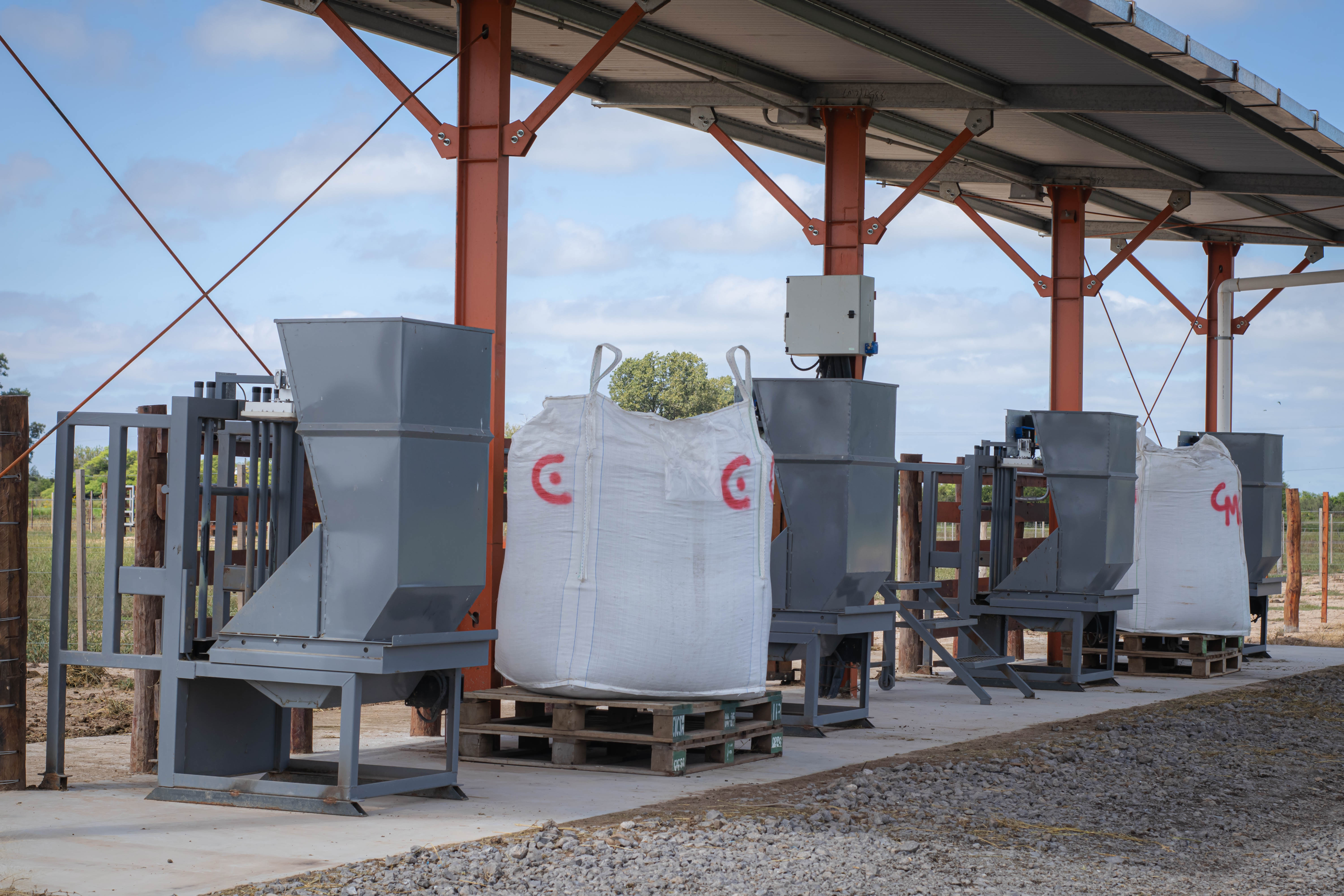
RFI Feeders
Feeders with radio-frequency identification (RFI), load cells, and electronic hoppers that record the individual feed intake of each animal.
RFI Water Systems
RFI water systems that measure water consumption with precision.
Integrated Precision Scale
An integrated precision scale that provides real-time weight readings and daily weight gain.
From this data, Residual Feed Intake (RFI) is calculated — a key indicator for measuring individual feed efficiency by relating actual intake to the expected intake based on live weight and weight gain.
Analysis and
monitoring tools:
Davis weather station that records climate variables in real time.
Digital ruminal boluses, for continuous monitoring of ruminal pH and temperature, correlating physiological responses with dietary dynamics.
Ultrasound equipment to determine ribeye area and backfat thickness.
Physical, chemical, and microbiological analyses focused on blood parameters linked to energy and protein metabolism.
This combination of technology places ZRP at the forefront of applied research, integrating intake, weight, environment, and ruminal physiology under controlled conditions with real-time data.
Its analytical capacity allows field records to be linked to feed digestibility, fiber quality, and the rumen's fermentation profile, generating knowledge that drives more efficient and sustainable livestock farming.